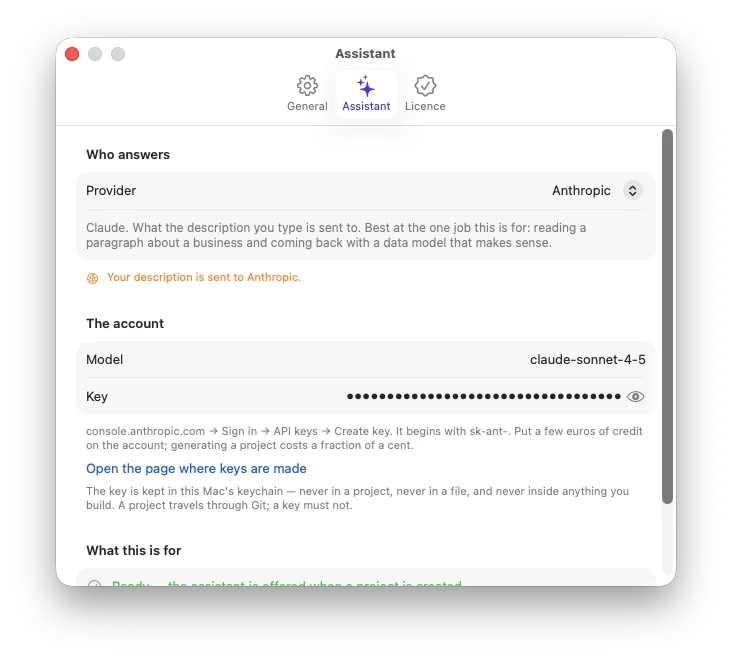
The assistant
It builds the first project. Then it gets out of the way.
Nothing watches you while you work — no suggestions in the editor, no model reading your scripts, nothing sent anywhere. There is exactly one place where a model earns its keep, and it is the emptiest moment there is: a project with nothing in it. Describe the business in a few sentences and out comes a data model, windows, reports and a first set of scripts — a starting point you rename, rearrange and throw half of away.
Three rounds, and each one puts something on the table.
Not one prompt and a shrug. The data model first, because everything rests on it; then the windows and reports; then the scripts — and the third round is told the real object names, because by then the windows exist.
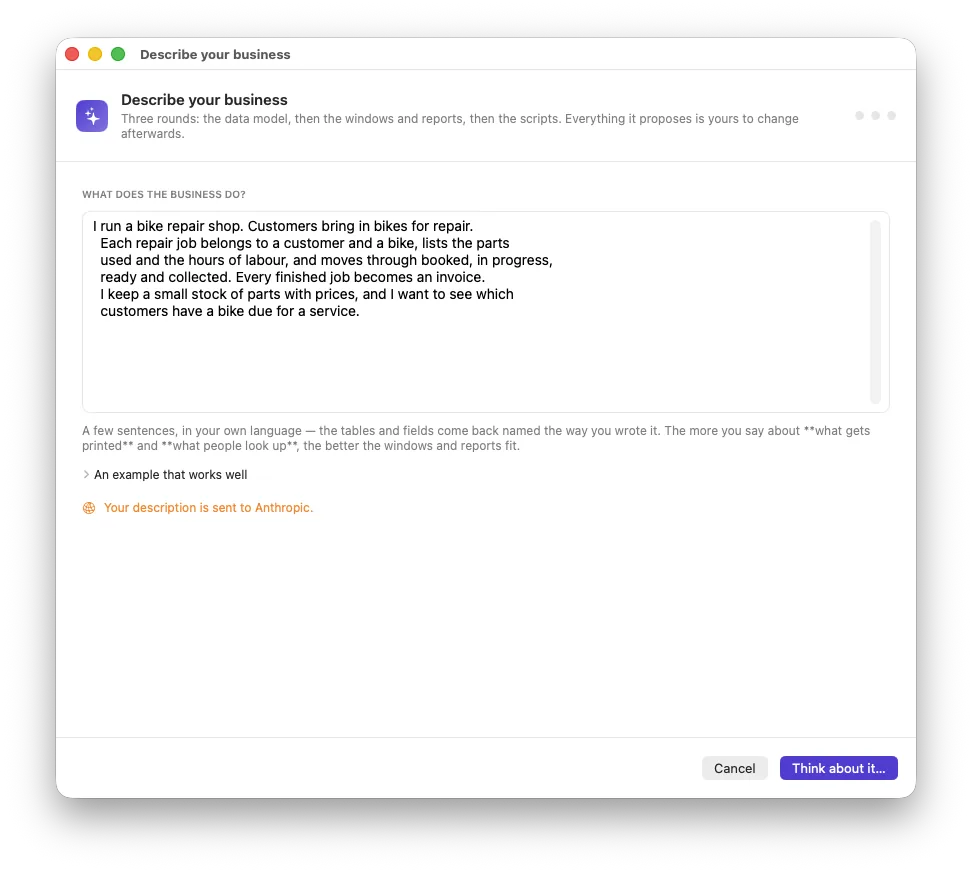
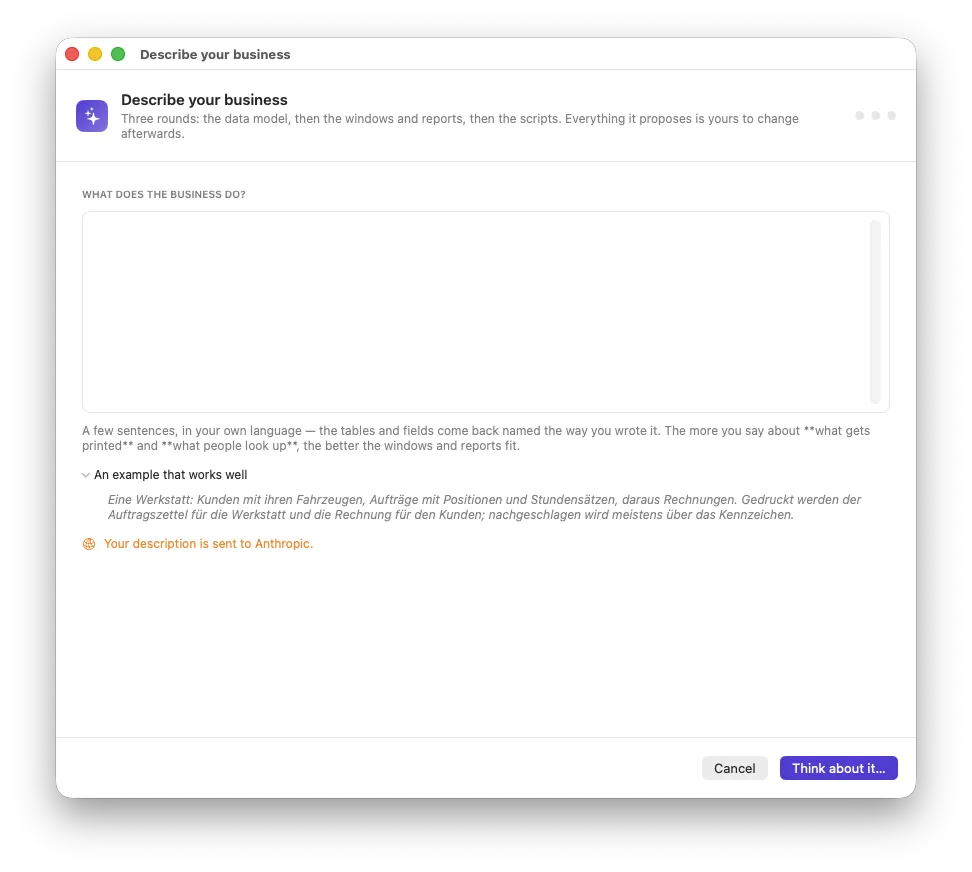
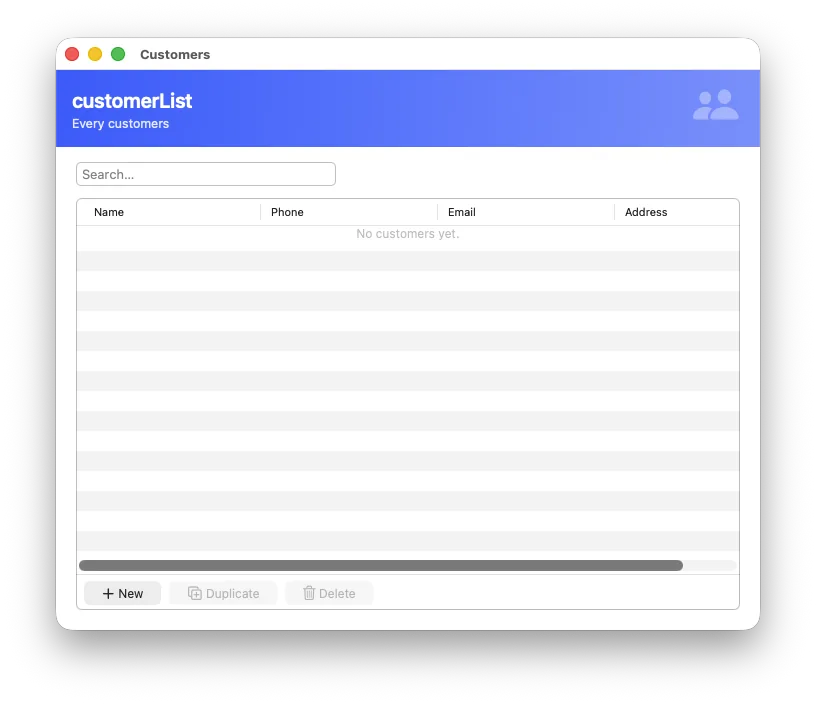
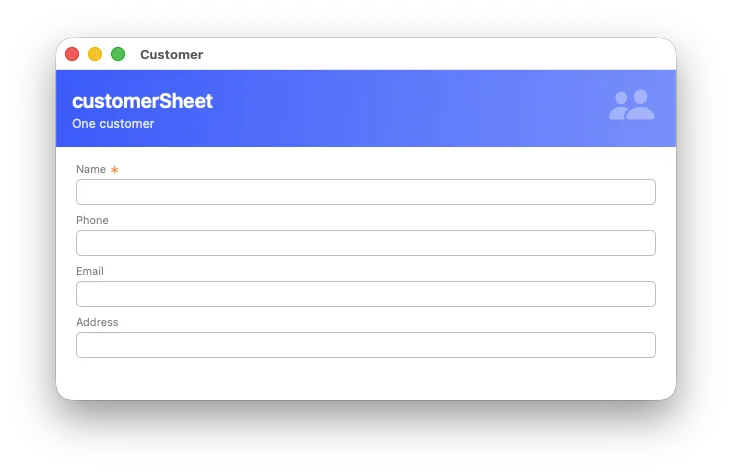
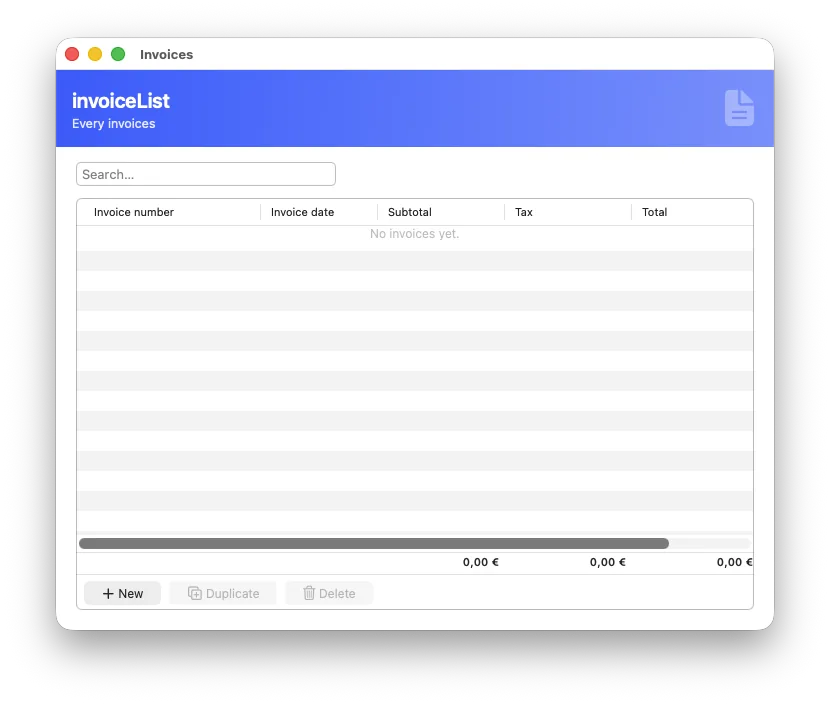
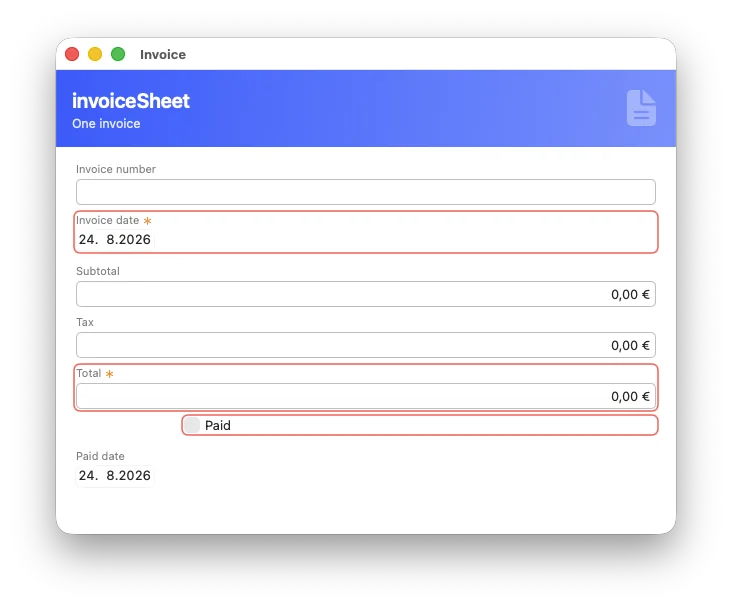
Kunden and Auftraege.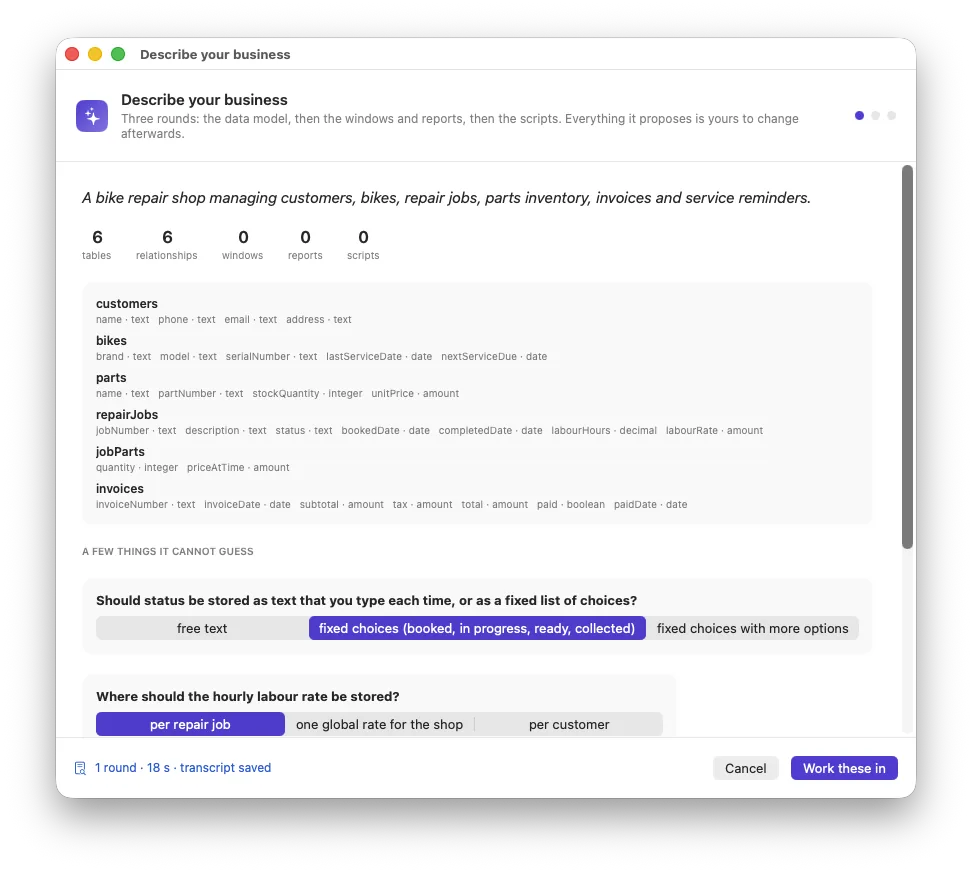
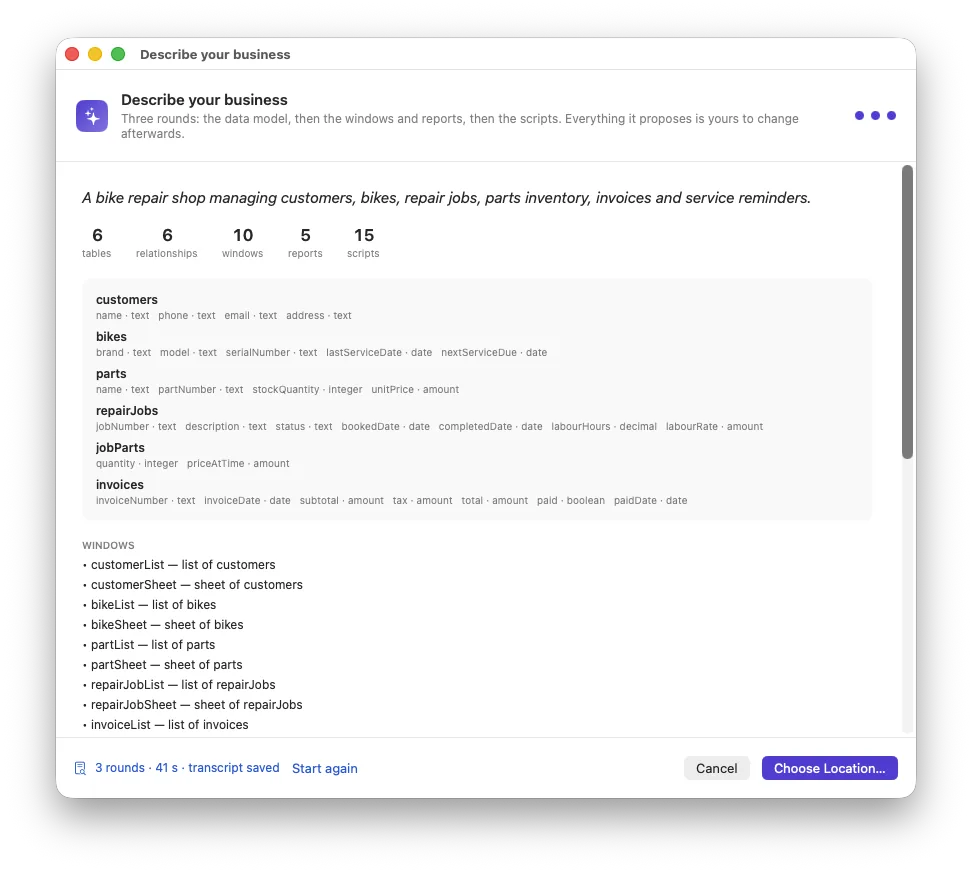
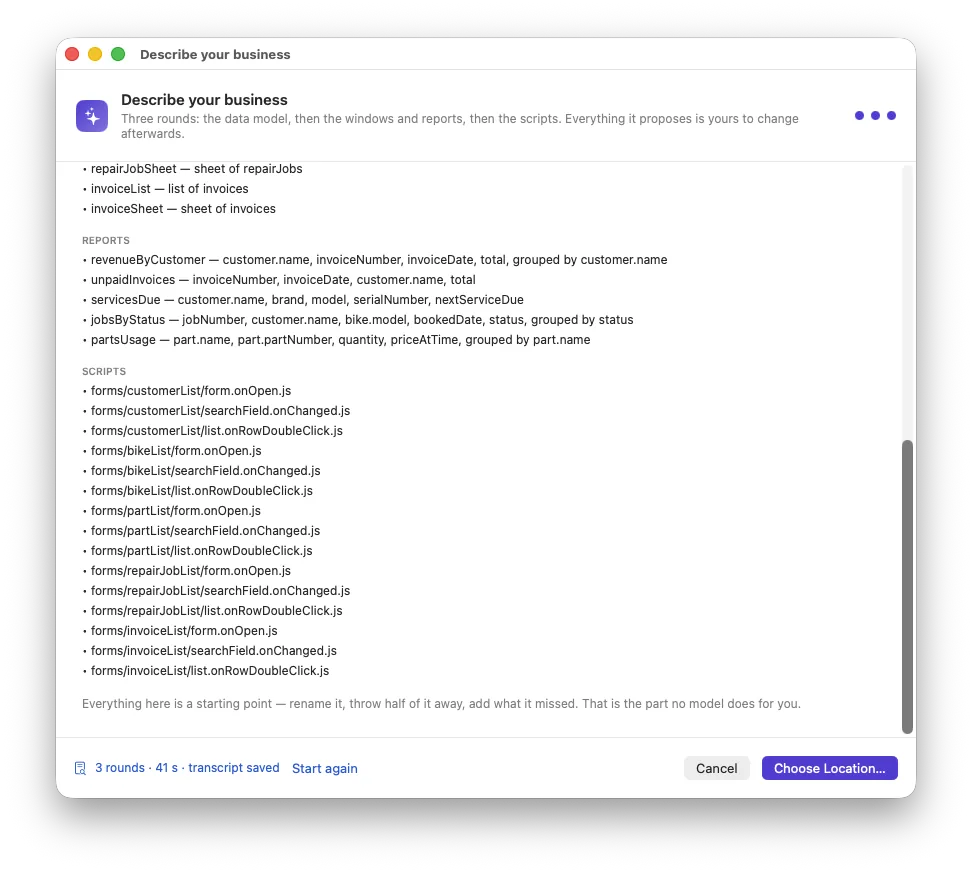
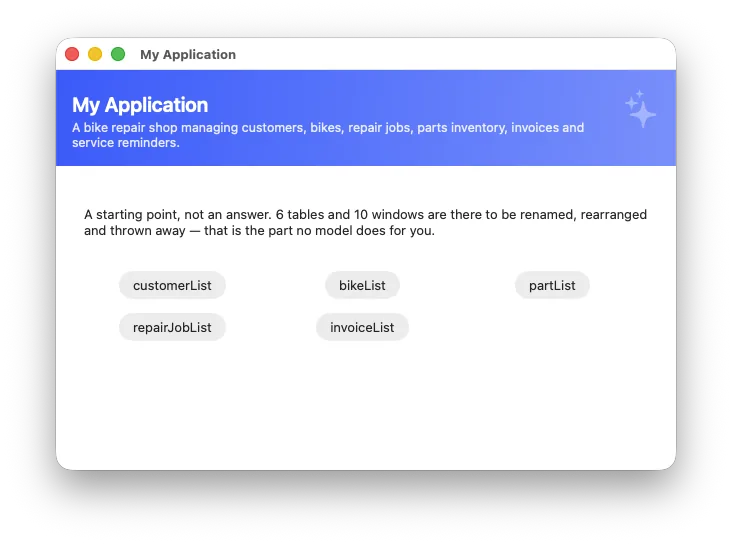
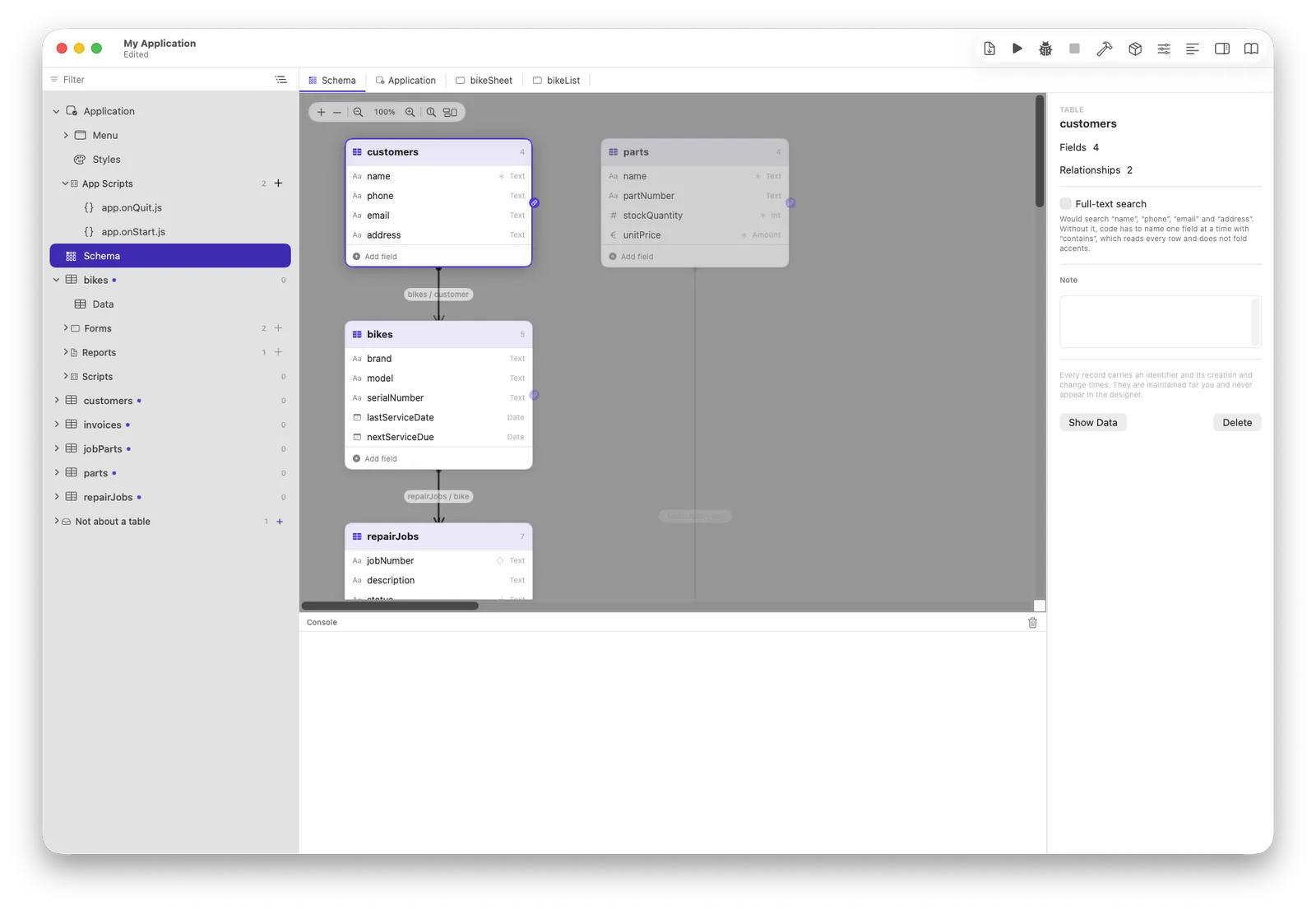
And then it is a project like any other.
No special mode, no “generated” badge, nothing that has to stay the way it came out. Press ▶︎ and the application runs — 41 seconds after the description was typed.
What it costs, and what leaves your Mac.
That one paragraph is what is sent, three times, once per round. Not your schema, not your scripts, not your data. The line stands in the window itself, in orange, where you type — not in a policy nobody opens.
You bring your own Anthropic key. It lives in this Mac's keychain — never in a project, never in a file, and never inside anything you build. A project travels through Git; a key must not.
Three rounds of text. Put a few euros of credit on the account and you will lose interest in the counter long before the credit runs out. There is no subscription of ours in the way, and nothing is resold. The settings offer Opus when the business is unusual, Sonnet as the balance it starts on, and Haiku when quick and cheap will do — or type the name of any model your account can reach.
Every script the model proposes goes through three gates before it is written: it has to parse, every table, field and object it names has to exist, and every window it opens has to be one the project actually has. What fails a gate is dropped, and the window says what was dropped.
Every prompt and every answer, verbatim, in a transcript beside the project — so a thin result can be argued about with the evidence in hand rather than from memory.
That is the whole of it. No assistant in the code editor, no “explain this script”, no model in a built application unless you put one there — and if you do, it is Apple's on-device model, which costs nothing and asks nobody.